
Sustainability, Resource Efficiency & Industrial Innovation
Resource efficiency, waste minimisation and circular-economy recovery.
Resource recovery is unusual in that the environmental argument and the commercial argument align. Material recovered from an existing residue does not have to be mined, and does not remain on surface as a long-term liability. We treat sustainability as an engineering outcome rather than a positioning statement.
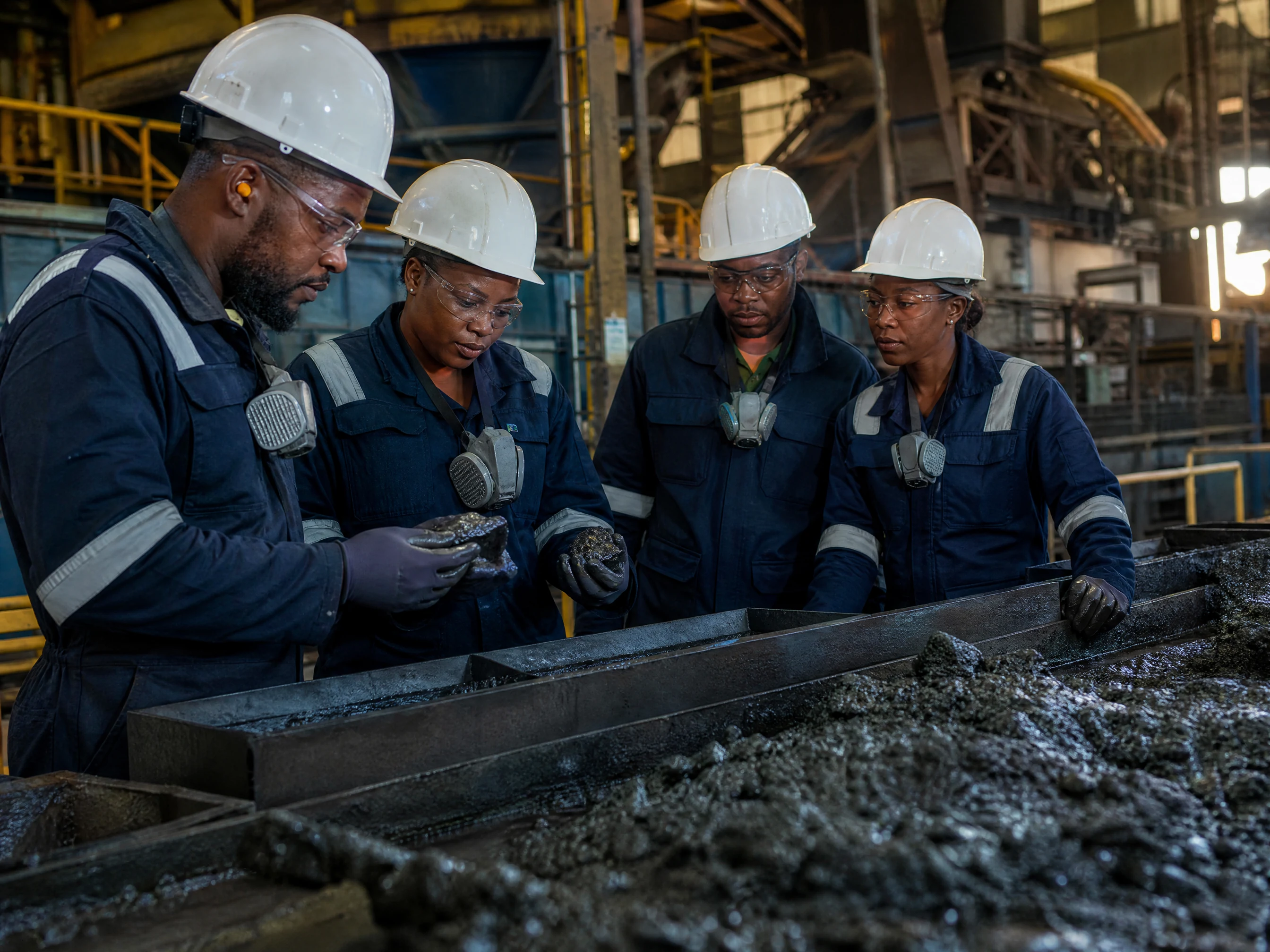
Environmental and economic value from the same work
Resource recovery is unusual in that the environmental argument and the commercial argument align. Material recovered from an existing residue does not have to be mined, and does not remain on surface as a long-term liability.
VIIS treats sustainability as an engineering outcome rather than a positioning statement. The measures that matter are how much value is recovered from material already processed once, how much residue volume is reduced, and whether a lower-carbon route stands up technically.
How does VIIS approach sustainability?
Through resource efficiency, waste minimisation, evaluation of lower-carbon processing pathways, renewable-energy integration where it is viable, and circular-economy recovery models. These apply wherever industrial residues, by-products or tailings hold recoverable value.
Each pathway is assessed on technical and commercial merit before it is proposed. We do not publish environmental performance claims that test work and operating data do not support.
Five areas of focus
Resource Efficiency
Improving value recovery from industrial residues so that material already mined and processed delivers more before it is discarded.
Waste Minimisation
Recovery, recycling and beneficiation of by-products to reduce the volume of material requiring long-term storage.
Decarbonisation
Evaluating lower-carbon metallurgical pathways, including where process route changes reduce energy intensity.
Renewable-Energy Integration
Assessing where renewable generation can be integrated into processing systems without compromising process stability.
Emerging Technologies
Hydrogen-based reduction systems are an area of ongoing evaluation rather than a current offering.
Circular Economy
Returning recovered materials to productive industrial use, closing loops that currently end at a residue dump.
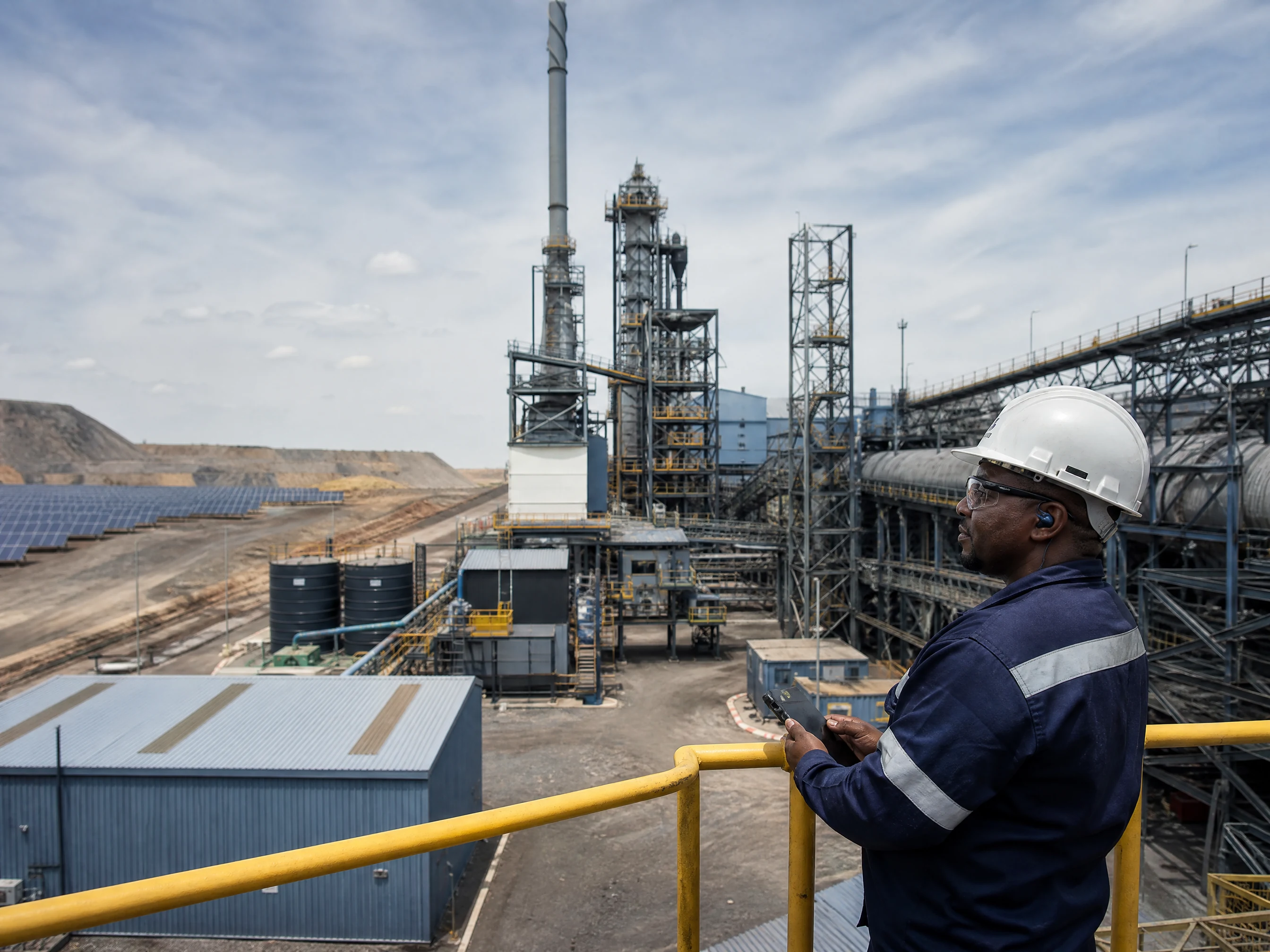
Structural demand, carefully stated
Several trends point toward secondary raw materials: accumulated residue volumes across South African industry, tightening expectations around waste, and international demand for materials with a recovered origin.
We think these are real but slow-moving. Any specific opportunity still has to be established project by project, on the material in question — general market direction does not substitute for characterisation and test work.
- South African waste beneficiation potential
- Growing secondary raw material markets
- Sustainability-linked industrial investment
Engineering, validation and commercialisation
The pathway to sustainable industrial value runs through the same three stages as any other recovery project. Sustainability outcomes follow from doing that work properly — not from a separate programme alongside it.
Engineering
Develop a route that is technically coherent for the specific material and scale.
Validation
Prove it through test work, so that recovery and consumption figures are evidence-based.
Commercialisation
Place the recovered product, which is what makes the environmental benefit durable rather than one-off.
Discuss your material or process challenge
If you hold a residue stream, by-product, tailings resource or slag with possible recoverable value — or a process that is not performing as designed — we are interested in the technical detail.