
Pyrometallurgy & Electric Smelting Expertise
High-temperature processing, furnace systems and the engineering around them.
Pyrometallurgy uses heat to change the chemical and physical state of a material so that a target metal can be separated and recovered. It is energy-intensive, which makes the energy balance as important as the recovery.
What is pyrometallurgy?
Pyrometallurgy is metal extraction and refining at high temperature. Heat is used to reduce, melt, fume or otherwise transform a feed so the target species separates into a phase that can be tapped, collected or further processed.
For residue recovery it is generally considered where the target is not physically liberated — where separation alone cannot release it — and where the value recovered justifies the energy required.
Electric smelting and process engineering
DC Arc Furnaces
Direct-current arc smelting systems and the process conditions they operate under.
Submerged Arc (SAF)
Submerged arc furnace systems used widely across ferroalloy production.
Open Bath (OBF)
Open bath furnace systems and their application to appropriate feeds.
Process Analysis
Mass and energy balances used to assess furnace and circuit performance.
Plant Engineering
Process plant design, commissioning and optimisation support.
Flowsheet Integration
Thermal stages designed as part of a wider recovery route, not in isolation.
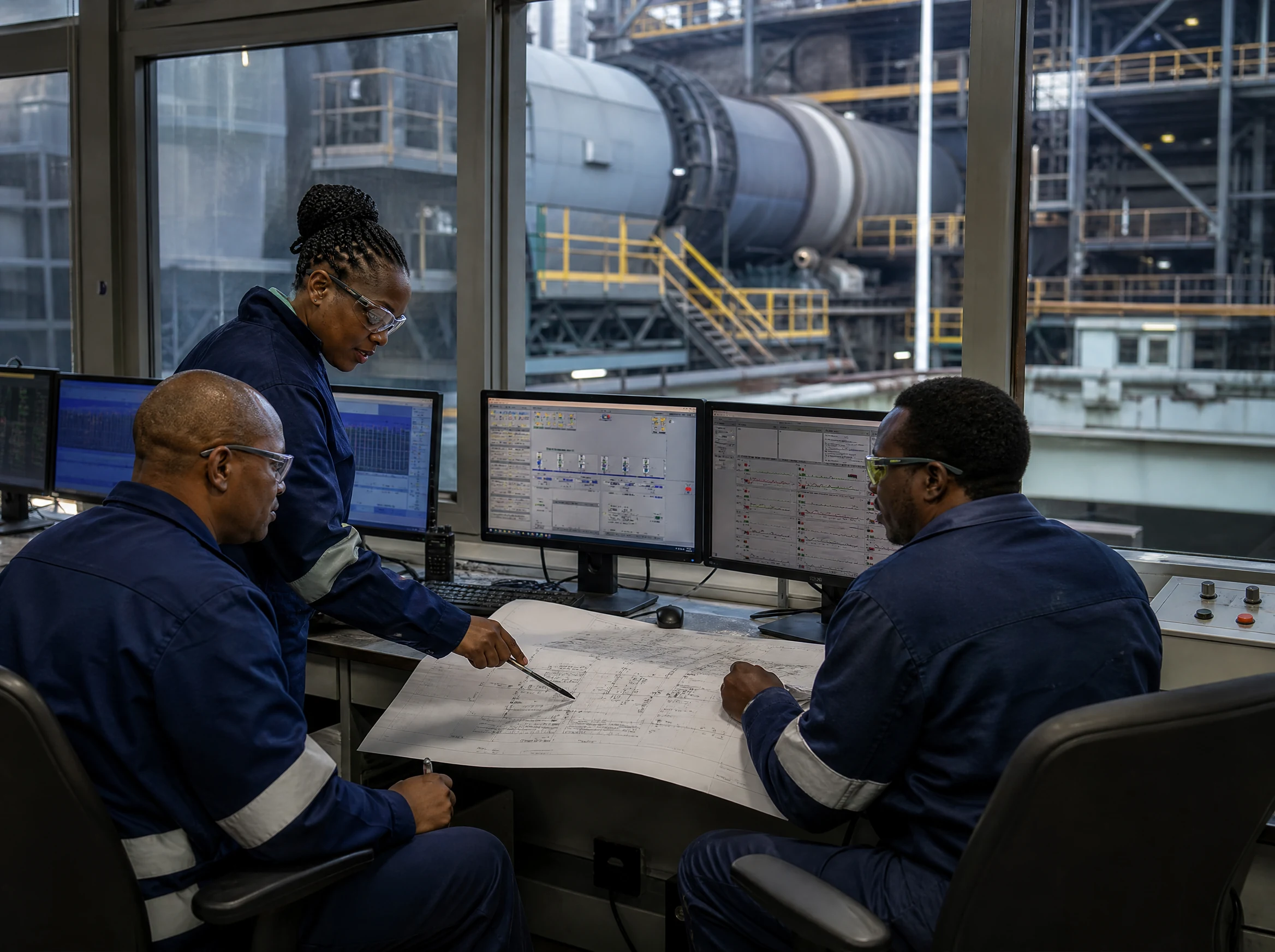
Energy balances decide more than recovery does
In a thermal route the energy balance frequently determines whether the project works. Recovery can be excellent and the process still uneconomic if the energy required to achieve it is not accounted for properly.
Balances are closed across the furnace and the wider circuit, and checked against measured behaviour rather than design assumptions.
- Mass and energy balances closed across the thermal stage
- Energy intensity assessed alongside recovery, not after it
- Furnace performance reviewed against actual operating data
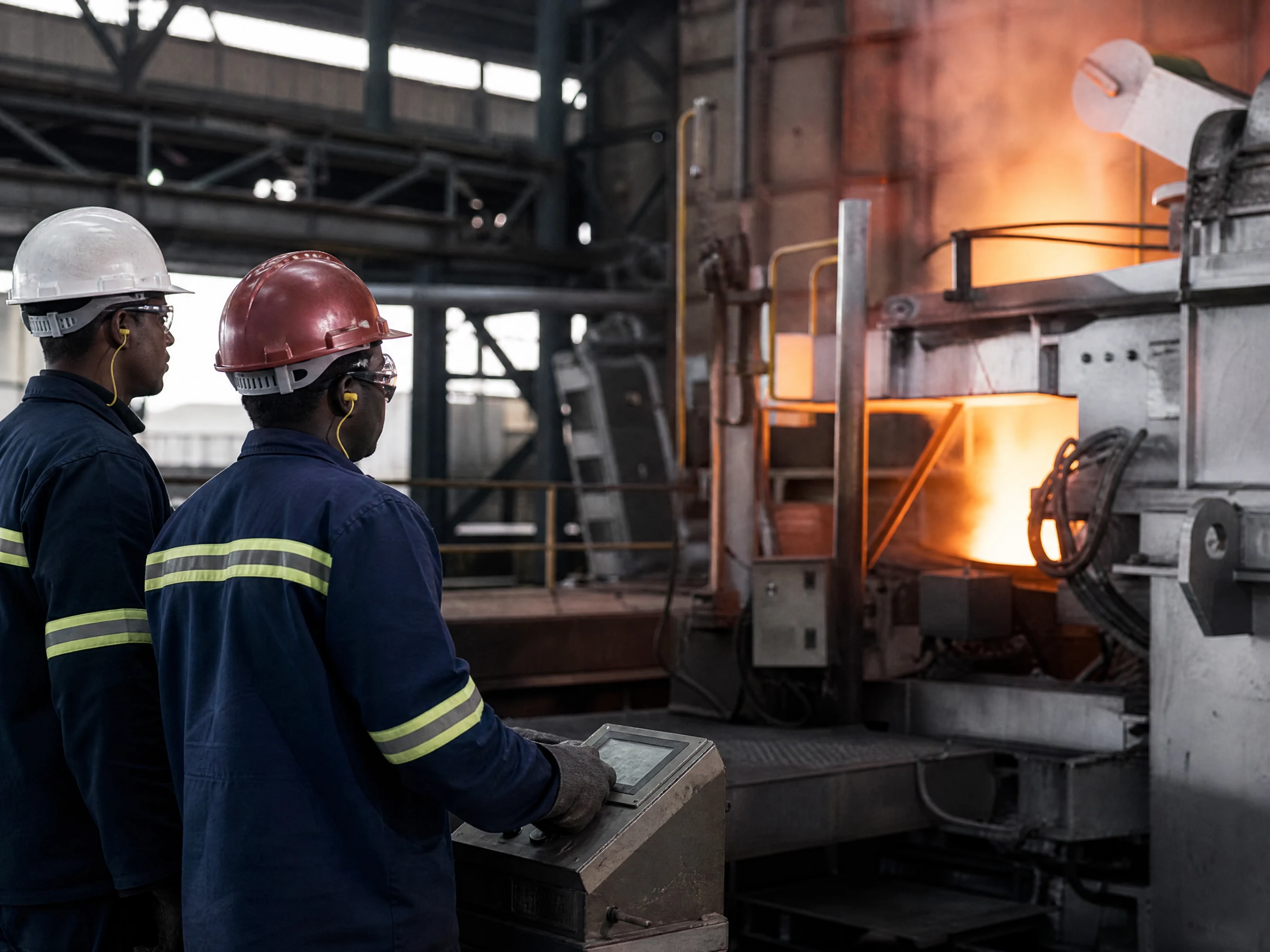
Where thermal fits in a recovery route
A thermal stage is usually preceded by physical pre-concentration, so the furnace sees a smaller, richer feed and the energy per unit recovered falls.
Designing those stages together — rather than optimising the furnace against whatever the separation circuit happens to produce — is what makes the overall route viable.
Recovery & BeneficiationFrequently asked
Where the target species is not physically liberated and cannot be released by separation alone, or where the material requires a phase change before downstream recovery is possible. It is considered on evidence, not by default — it is the energy-intensive option.
Because energy is usually the dominant operating cost in a thermal route. A recovery figure quoted without the associated energy demand does not tell you whether the project is viable.
Typically as a downstream stage behind physical pre-concentration. Reducing the mass sent to the furnace while raising its grade improves the energy per unit recovered, which is often what makes a thermal route economic at all.
Discuss your material or process challenge
If you hold a residue stream, by-product, tailings resource or slag with possible recoverable value — or a process that is not performing as designed — we are interested in the technical detail.